Bexleyheath Locksmith Service Team
Local locksmith team
7 Oct 2026 13 min read
If you look at a typical front door in Bexleyheath — along The Broadway, in the streets off Upton Road, or in one of the older semis near Danson Park — you will almost certainly see two locks. One is set into the door itself, the other sits closer to the top of the door on a rectangular metal case. Most homeowners use both every day without ever thinking about how they actually work, or why both are there. Understanding the difference matters more than you might expect: it affects your home insurance, how secure your front door really is, and what happens if something goes wrong.
This guide explains what a mortice lock is, how a nightlatch works, why UK front doors almost always have one of each, and what you should know if either one needs repairing or replacing. No jargon, no unnecessary detail — just the practical information you need to make a sensible decision about your own front door.
## What Is a Mortice Lock, and Why Does It Live Inside the Door?
A mortice lock is a lock that is fitted inside a pocket — called a mortice — cut into the edge of the door itself. Because the entire mechanism sits within the door's body rather than being screwed onto the surface, it is significantly more resistant to being forced or levered off. The bolt that shoots out when you turn the key is a solid steel deadlock that locks into a metal keep (or strike plate) set into the door frame, making the door genuinely difficult to kick in when properly locked. This is why insurers so frequently require one.
The two most common types in UK homes are the 2-lever mortice lock and the 5-lever mortice lock. The number of levers refers to the internal components the key must lift to draw back the bolt. A 2-lever mortice lock is usually found on internal doors or garden sheds; it offers modest security and is not acceptable to most home insurers for a front door. A 5-lever mortice lock is the standard for external front doors — most home insurance policies specifically require one, and many stipulate that it meets the BS3621 standard. If your policy requires BS3621 and your mortice lock does not meet it, you may find a claim is rejected after a break-in. When a mortice lock is paired with a handle or knob on both sides of the door, it is called a mortice sash lock; when it has only a keyhole and operates purely as a deadlock with no handle, it is a mortice deadlock. Both types are very common on UK front doors.
## What Is a Nightlatch (and What Is a Rim Lock)?
A nightlatch — also widely known as a Yale lock — is the spring-loaded latch you hear click shut every time you pull your front door closed. It sits on the surface of the door (rather than inside it), which is why it is sometimes called a rim lock: the casing is rimmed onto the inside face of the door. The lock has two parts: a cylinder on the outside of the door, which accepts the key, and a case on the inside containing the spring latch. When you shut the door, the angled latch springs into the keep automatically. To open the door from outside you turn your key; from inside you simply twist the knob or lever on the case.
So what is a rim cylinder? It is the external barrel of the nightlatch — the round part you see on the outside of the door into which you insert your key. If your nightlatch key is lost or the lock becomes stiff, it is usually just the rim cylinder that is changed, rather than the entire case. The convenience of a nightlatch is obvious: the door locks itself behind you without needing to use a key every time you leave. The limitation is equally important: a nightlatch on its own is not enough. The latch can often be pushed back with a credit card or similar thin tool, and the casing is surface-mounted, making it easier to attack than a mortice lock. Alone, a nightlatch is a convenience lock. Combined with a mortice deadlock, it becomes part of a genuinely secure front door.
## Why Most UK Front Doors Have Both — and When You Need to Use Them
The combination of a 5 lever mortice deadlock at mid-door and a nightlatch near the top is the traditional British front door arrangement for good reason. Each lock addresses a different vulnerability. The nightlatch provides instant, hands-free locking every time the door is pulled shut — useful when your hands are full of shopping. The mortice deadlock provides the structural resistance against forcing that the nightlatch cannot. Together, properly used, they make a front door much harder to attack.
The critical word is 'properly used'. Many households lock only the nightlatch when they leave in a hurry, leaving the mortice unlocked. Some insurers treat this as failing to take reasonable precautions, which can complicate a claim. As a rule: when you leave the house or go to bed, the mortice deadlock should be turned. The nightlatch handles day-to-day convenience. If your door is a uPVC or composite door rather than a timber one, you may have a multipoint locking system instead of these two separate locks — a single handle lifts multiple bolts into the frame simultaneously. Those doors use a euro cylinder rather than a rim cylinder or a traditional mortice key, and they carry their own considerations around cylinder security (more on that below). If you are unsure which combination you have, or whether your locks meet your insurer's requirements, our team is happy to take a look — call 020 3757 5689 and we can send a locksmith Bexleyheath straight away.
## Lock Change Bexleyheath: Replacement, Repair, and Knowing the Difference
Homeowners often use the words 'replace', 'change', 'repair', and 'install' interchangeably, but they mean quite different things — and the difference affects what work is needed and how long it takes. Here is a quick guide. A lock repair means fixing an existing lock that is stiff, sluggish, or not operating correctly — perhaps the bolt is not engaging cleanly, or the key is hard to turn. A cylinder change means swapping only the cylinder (the barrel the key enters) while keeping the existing lock case or casing in place; this is common after a lost key or a tenancy change and is quicker than a full replacement. A full lock replacement — sometimes called door lock replacement — means removing the entire lock mechanism and fitting a new one, which is necessary if the existing lock is damaged, has failed, or does not meet current security standards. A new lock installation means fitting a lock to a door or position that did not previously have one.
For mortice locks specifically, a mortice lock replacement involves chiselling the new lock body into the existing mortice pocket and fitting a new keep into the frame. If the old lock was a lower-grade type, upgrading to a BS3621 5 lever mortice lock at this point is straightforward and immediately improves both security and insurance compliance. For nightlatches, a rim cylinder replacement is usually all that is needed unless the case itself has been damaged. For uPVC door lock repair Bexleyheath homeowners often need, the most common job is replacing a worn or snapped euro cylinder — anti-snap cylinders to TS007 3-star specification are strongly recommended here, as standard cylinders on uPVC doors are a known weak point that can be defeated quickly without the right protection in place. Whatever the job, we confirm an exact up-front price on the phone before anyone travels out, so there are no surprises on the doorstep. The final price depends on the type of lock, the parts needed, the time of day, and your location — all discussed openly before we begin.
## Locked Out Bexleyheath — What to Do Before You Call a Locksmith
Finding yourself locked out Bexleyheath is surprisingly common, and it usually happens at the worst possible moment — late in the evening, in the rain, with your phone on low battery. Before calling a locksmith, run through a few sensible checks. Is there a spare key with a trusted neighbour, a family member, or your letting agent? Is there another entrance — a back door or a window you left on the latch — that you can access safely and without damaging property? If you live in a block of flats, can the managing agent or caretaker assist with the communal entrance?
If none of those options are available and you are genuinely locked out, please do not attempt to force entry yourself — it is likely to damage the door or frame and may cost more to repair than a professional call-out would. Our team covers Bexleyheath and the surrounding area around the clock. We send a locksmith straight away and are usually with you in around 30 minutes. We will confirm ownership or occupancy before beginning work — a standard step any professional locksmith should take. As a 24 hour locksmith Bexleyheath residents rely on, we handle everything from a simple lockout to a full emergency lock change Bexleyheath after a break-in, a lost key, or a change of tenancy. Call 020 3757 5689 — we answer 24/7, including evenings, weekends and bank holidays.
## Complete Door Lock Replacement Services in Bexleyheath
Our team carries a wide range of lock types on the van, so most jobs can be completed in a single visit without waiting for parts. Here is a full picture of what we cover: mortice deadlock replacement, mortice sash lock replacement, 5 lever mortice lock upgrade to BS3621, 2 lever mortice lock replacement on internal doors, rim lock case replacement, rim cylinder replacement, nightlatch replacement (full unit), anti-snap euro cylinder fitting, TS007 3-star cylinder upgrade, uPVC door lock repair and cylinder swap, composite door cylinder replacement, multipoint lock mechanism repair, multipoint lock replacement, door handle replacement linked to a lock mechanism, emergency lock change after a break-in, emergency lock change after key loss, lock change following a change of tenancy, lock upgrade following an insurance requirement, door lock fitting to a door with no existing lock, additional lock fitting for extra security, lock repair and adjustment where the bolt is misaligned, door frame and keep repair after forcing, wooden door lock replacement, communal door lock replacement for blocks of flats, and sash window lock fitting as part of an overall door and window security review. Whether you need a single cylinder swapped or a complete overhaul of your front door security, our locksmith Bexleyheath team handles it all.
## Euro Cylinders, Nightlatches, and Knowing Which You Have
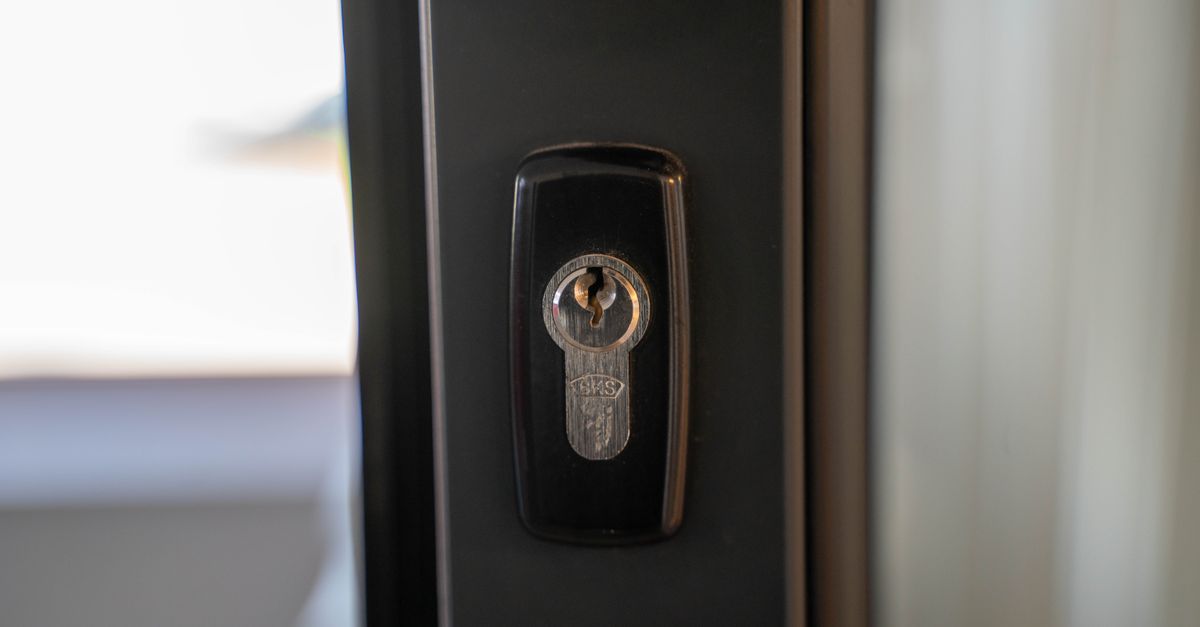
It is worth taking thirty seconds to identify exactly what type of lock is on your front door, because the terminology matters when you need help quickly. Stand in front of your door. If you see a keyhole with a letter-box-shaped slot on the door's edge (usually at mid-door height), you have a mortice lock. If you see a round barrel on the door's face, surrounded by a shaped metal plate, into which you insert a key that looks like a small oval or rounded key, that is a euro cylinder — typically part of a uPVC or composite door's multipoint system. If you see a round barrel on the outside of the door near the top, with a rectangular metal box on the inside that has a small knob or lever, that is a nightlatch with a rim cylinder.
Knowing this means that when you call us, you can describe your situation accurately and we can bring exactly the right parts. It also helps you understand what your insurer is asking for. Many policies refer specifically to a mortice deadlock on the front door, and some now also mention anti-snap cylinders for uPVC doors — if yours does not mention it yet, it is still worth asking your insurer, because a snapped cylinder is one of the most common methods used in break-ins on uPVC doors. If you have any doubt about whether your locks meet current standards, or if something is stiff, worn, or not operating as it should, an experienced locksmith can assess it quickly. As your local emergency locksmith Bexleyheath, we are always available — just call 020 3757 5689.
Frequently asked questions
What is a mortice lock and do I need one on my front door?+
A mortice lock is a lock fitted inside a pocket cut into the edge of the door, with a solid steel bolt that shoots into the door frame when you turn the key. Because the mechanism is hidden within the door, it is much harder to attack than a surface-mounted lock. For a front door in the UK, a 5 lever mortice lock — ideally to BS3621 standard — is what most home insurers require. If your front door has only a nightlatch and no mortice lock, your insurer may not cover you for a break-in, so it is worth checking your policy and upgrading if needed.
What is the difference between a rim lock and a mortice lock?+
A mortice lock sits inside the door, cut into its edge — you cannot see the body of the lock from outside. A rim lock (or nightlatch) is surface-mounted on the inside face of the door, with just a round cylinder visible on the outside. The mortice lock provides the main structural security because its bolt locks deeply into the frame. The rim lock provides quick, automatic latching every time the door closes. Most UK front doors have one of each, and both serve a different purpose — they work best together rather than as alternatives.
My front door has a uPVC door — do I still need a mortice lock?+
Probably not in the traditional sense. uPVC and composite doors typically use a multipoint locking system operated by a single handle, with a euro cylinder accepting the key. This replaces the separate mortice and nightlatch arrangement found on timber doors. However, the euro cylinder is itself a security consideration — standard cylinders can be snapped and defeated quickly. Fitting an anti-snap cylinder to TS007 3-star specification is strongly recommended, and some insurers now ask for it specifically. If your uPVC door is old, stiff, or the cylinder is worn, our team can carry out a uPVC door lock repair or cylinder upgrade in a single visit.
How much does a lock change cost in Bexleyheath?+
We do not list fixed prices because the cost of a lock change depends on several things: the type of lock being replaced, the parts required, the time of day (a call-out on a bank holiday evening differs from a weekday afternoon), and your location within the area we cover. What we always do is give you a clear, agreed price on the phone before we travel out — so you know exactly what you are paying before any work begins. Call 020 3757 5689 and we will talk through what you need and confirm a price straight away.