How Internal Door Locks Actually Work — and Why That Matters for a Bedroom & Internal Door Lockout
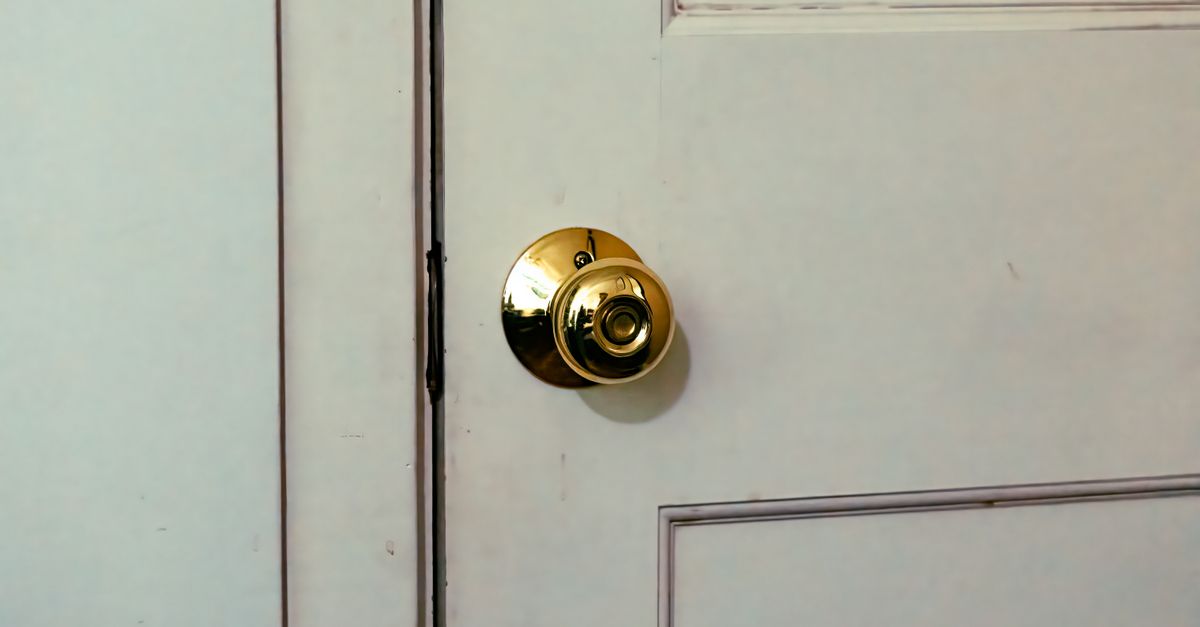
Internal doors are secured in a handful of distinct ways, and knowing which type you are dealing with shapes everything about how the door should be opened safely. The most common fitting in Bexleyheath properties is a tubular mortice latch combined with a simple privacy turn-and-release mechanism — the kind where a small slot on the outside of the handle allows a thin coin or emergency turn-tool to release the lock. These are found on the majority of bedroom and bathroom doors in both older terraced houses and modern new-builds across the DA6 and DA7 areas. A second common type is a small rim lock or barrel bolt fitted on the inside, which a person may have accidentally engaged before the door swung shut. Less often, an older property might have a mortice sash lock on an internal door — these are more involved to open non-destructively but are still well within the scope of a trained technician attending as an emergency locksmith Bexleyheath.
Understanding the lock type also determines whether any parts will be needed. In the vast majority of bedroom and bathroom lockouts, no replacement components are required at all — the mechanism simply needs to be released from the outside using the correct tool. Where the lock is broken, jammed, or has failed in a closed position, a lock change or repair may follow the opening. Our technicians carry a wide range of internal lock components in their vans, so if a replacement is needed after gaining entry it can usually be completed on the same visit without a second call-out.