Why Keys Snap — and Why It Matters for Bexleyheath Homes
Key breakages rarely happen without warning signs. Most keys that snap inside a lock have been bending microscopically for weeks or months — a process accelerated by locks that have not been lubricated, cylinders that have shifted slightly out of alignment in a uPVC door frame, or simply the age of the key blank itself. In Bexleyheath, we attend a large number of calls involving older mortice locks on 1930s semi-detached and terraced properties along roads such as Hurst Road and Regency Way, where the lock mechanism has had decades of use and the keyway has worn enough to let the key rock slightly on each turn. That rocking motion is exactly what fatigues the blade.
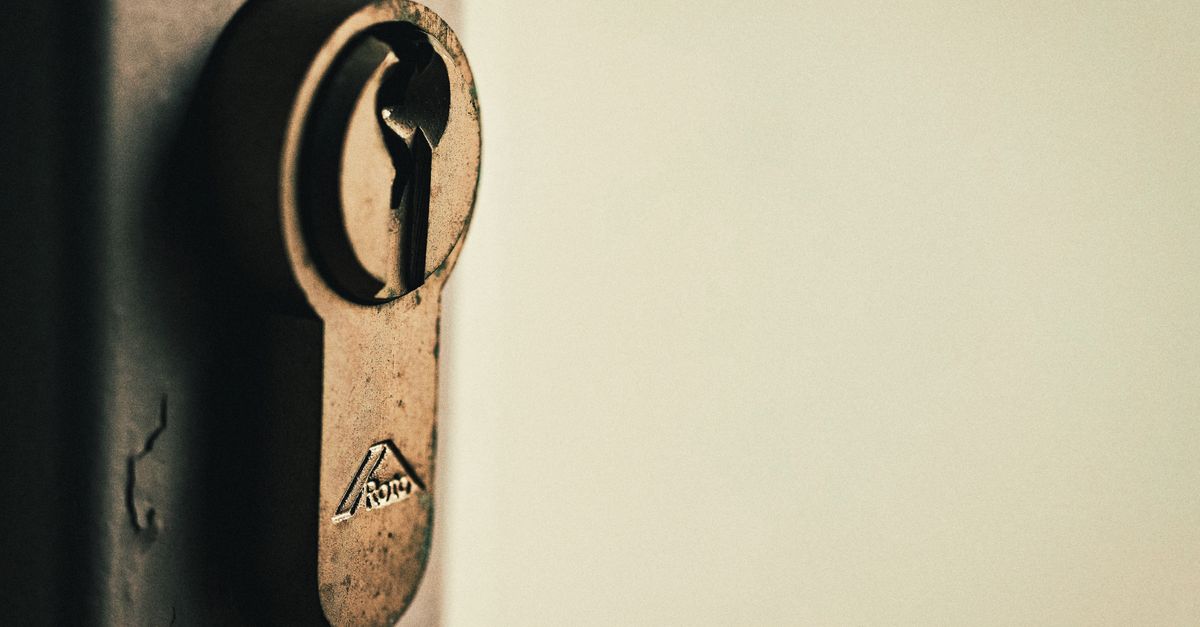
Understanding the type of lock involved matters enormously because it determines where the broken fragment sits and how much room there is to work. A nightlatch (sometimes called a Yale lock) has a relatively shallow rim cylinder mounted on the inside face of the door, so the key fragment is typically accessible from the front. A 5-lever mortice lock is set deep into the door edge, and the keyway runs horizontally through a narrow case — which means the fragment may have travelled further in and requires more precise extraction tools. A euro cylinder, common on uPVC and composite doors throughout Bexleyheath's newer housing and flat conversions, has a compact profile where the broken piece can become wedged tightly against the driver pins. Each scenario calls for a different technique, which is why a skilled technician assesses the situation before touching the lock.